Aurora displays come in a remarkable variety of forms and colors — from the faintest green shimmer on the horizon to explosive overhead coronas that fill the entire sky. What you see on any given night depends on how active the aurora is, how far north you are, and how much of the display you can physically take in. Understanding the different formations and colors helps you appreciate what you’re witnessing — and gives you a much better idea of how to photograph it. Below is a guide to the most common forms, roughly ordered from most to least frequent, followed by an overview of the colors and what produces each one.
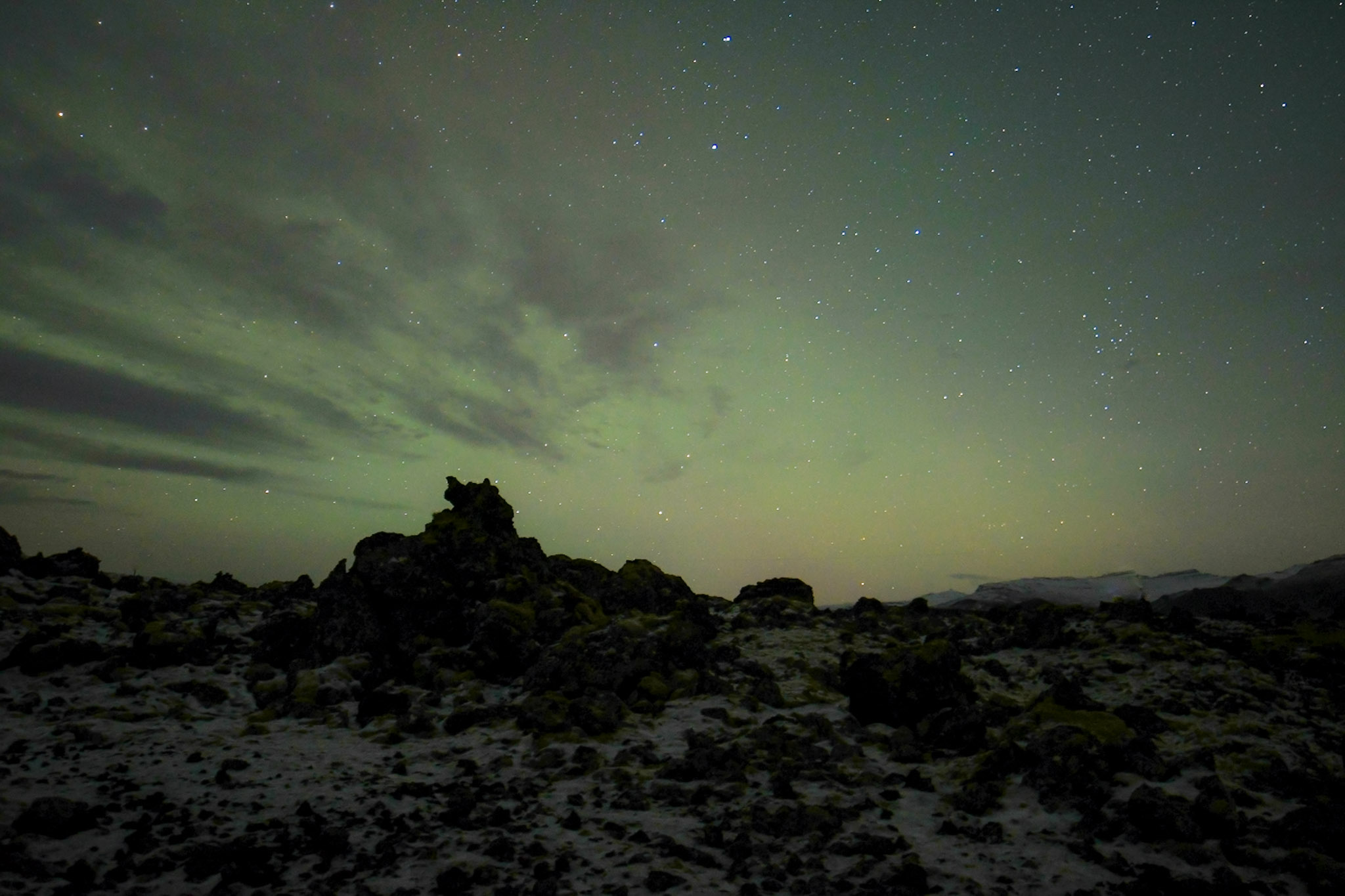
Faint / Diffuse Glow
This is one of the most common forms of aurora seen and often is the first sighting of the night on the northern horizon. Even if the night is going to produce a dynamic show later on, often a diffuse gray/green glow to the north is the first sign of activity.
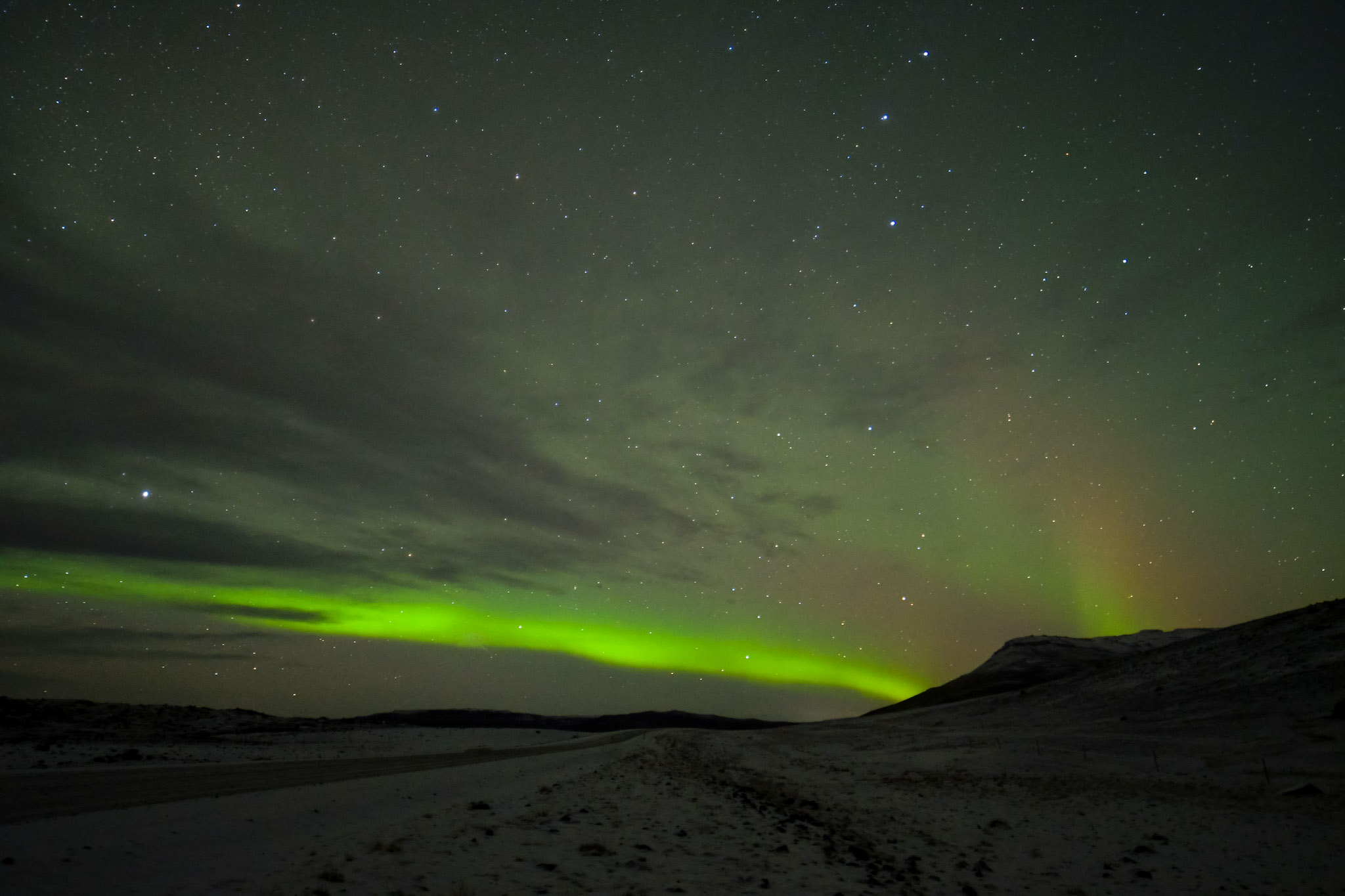
Arcs
A large ‘arc’ often stretching from east to west in the northern sky is often the next stage of the aurora evolution. The diffuse/faint glow often evolves into a discernable ‘arc’ which often starts to drift southward as the night progresses. On quiet nights, this is the final stage of aurora, but on active nights, often is just the beginning before shifting to more dynamic forms.
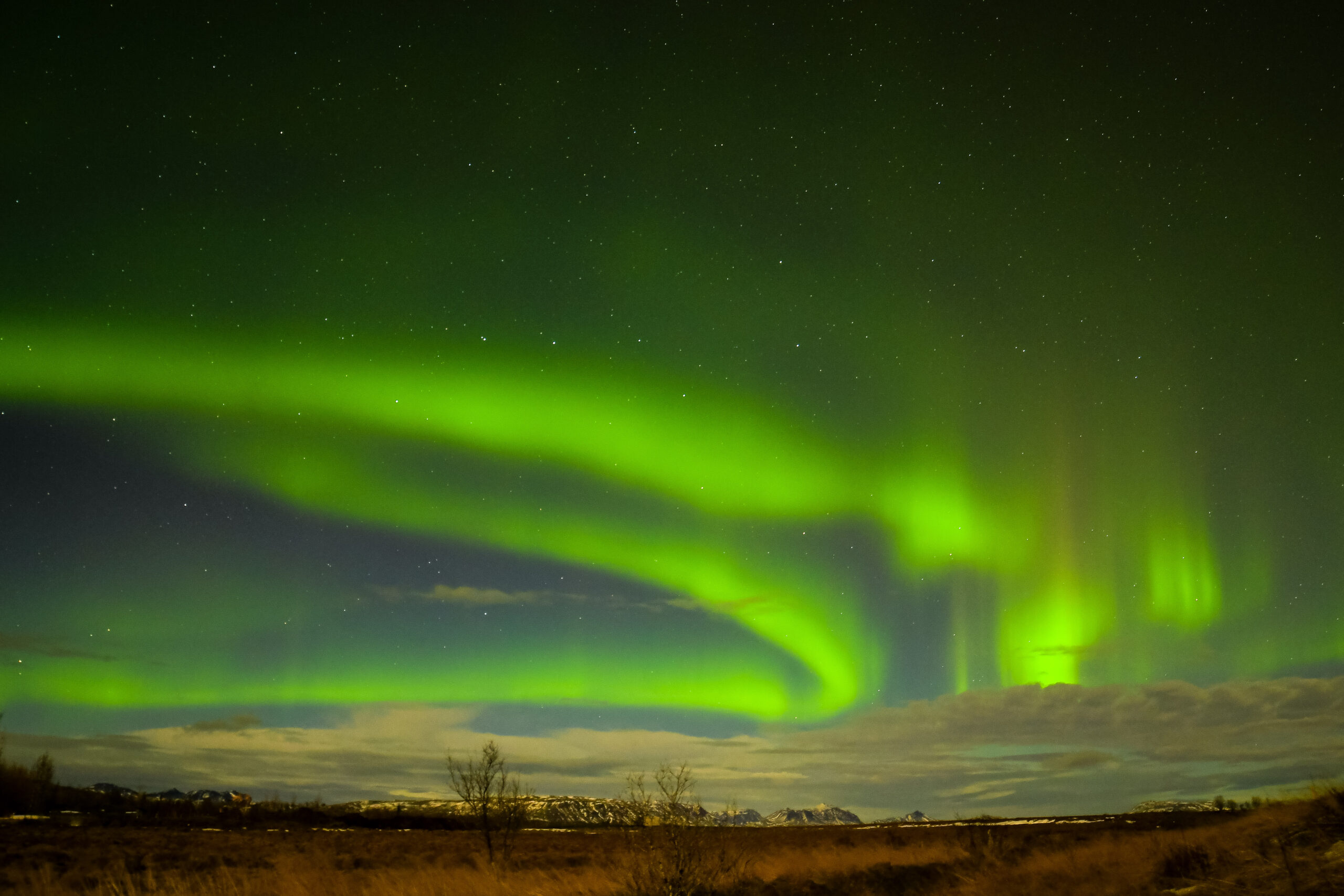
Bands
Bands are similar to arcs, but have a more dynamic feel to them. Unlike simple arcs, these often produce ‘kinks’, ripples, or offshoots into smaller and separate arcs/formations. Sometimes two or three separate rows are visible. These formations are usually present when at least Kp 2-3 conditions are present.
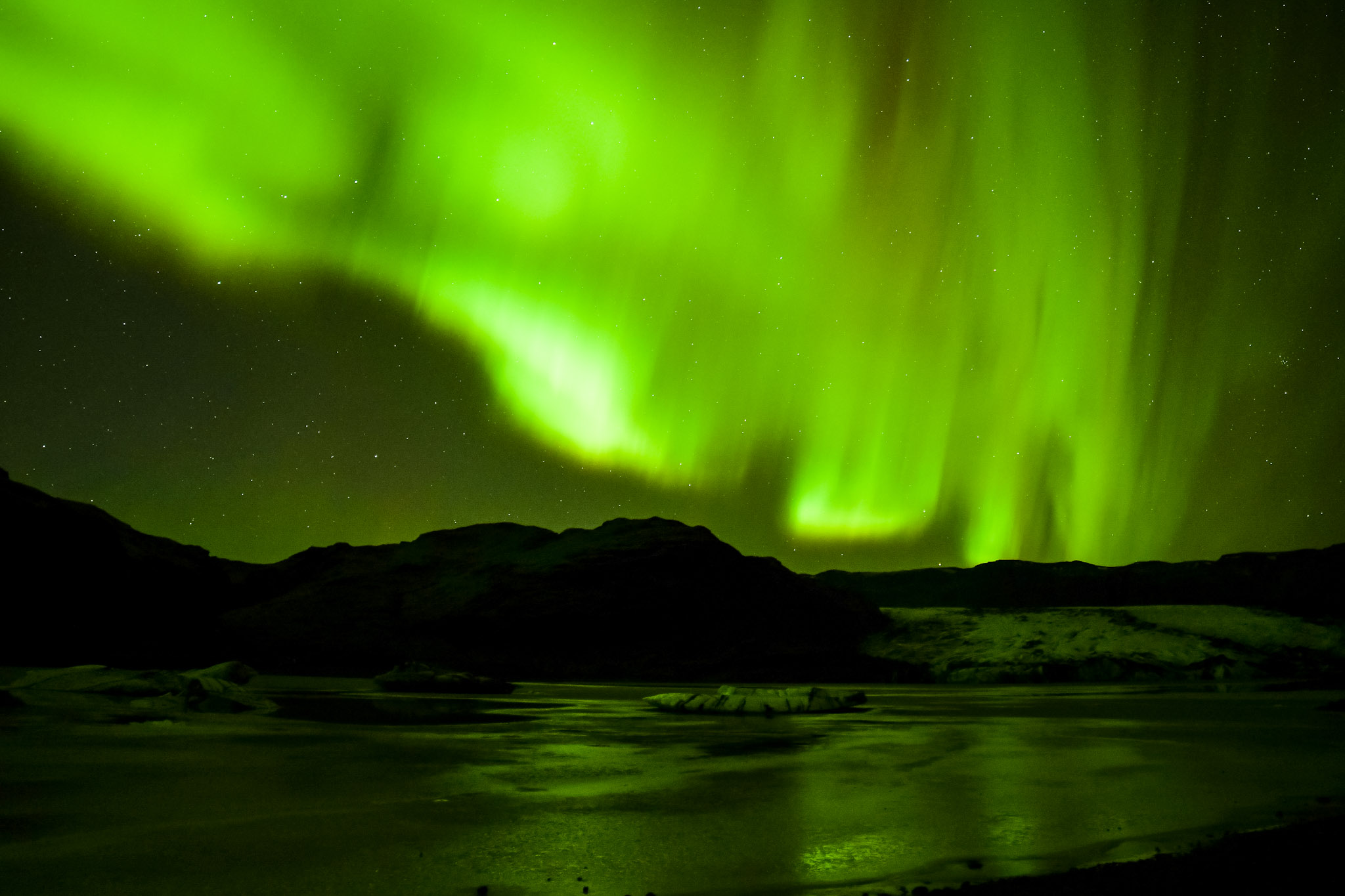
Curtains
These formations (as the name implies) appear as large enveloping curtains of light that are often moving and ‘dancing’ across the sky. Curtains are impressive structures and often can have different colors (usually red) near the tops. These start appearing with Kp levels in the 3-4 range.
Rays / Pillars
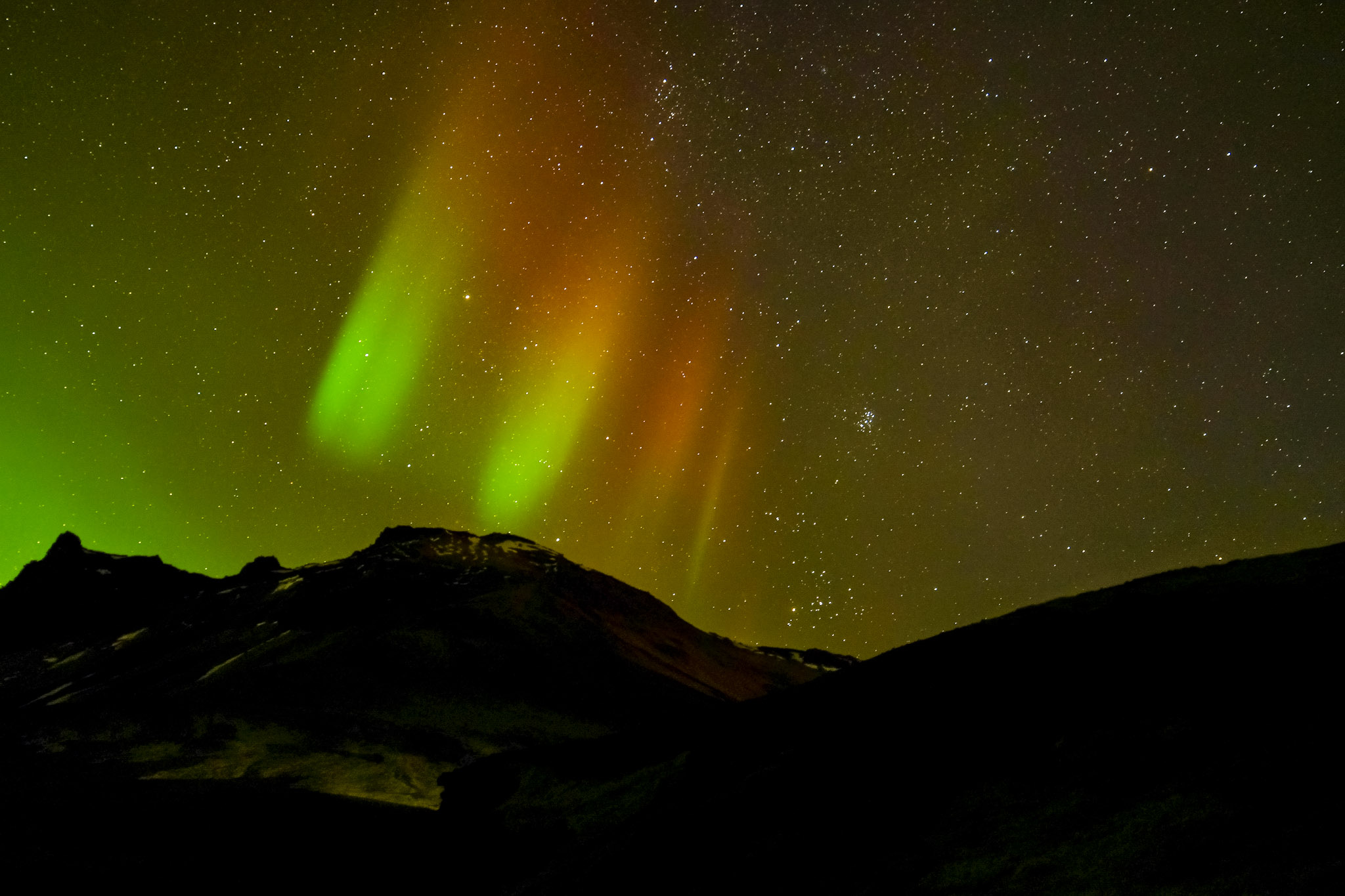
Rays and pillars are impressive and visually stunning structures that be seen on their own or more often within an arc, curtain, or band. These usually do have two or more colors associated with them, and tend to appear and disappear rather quickly, so if taking a photo, speed is key. Kp levels of 3/4 or higher usually produce pillars/rays.
Evolving Veils
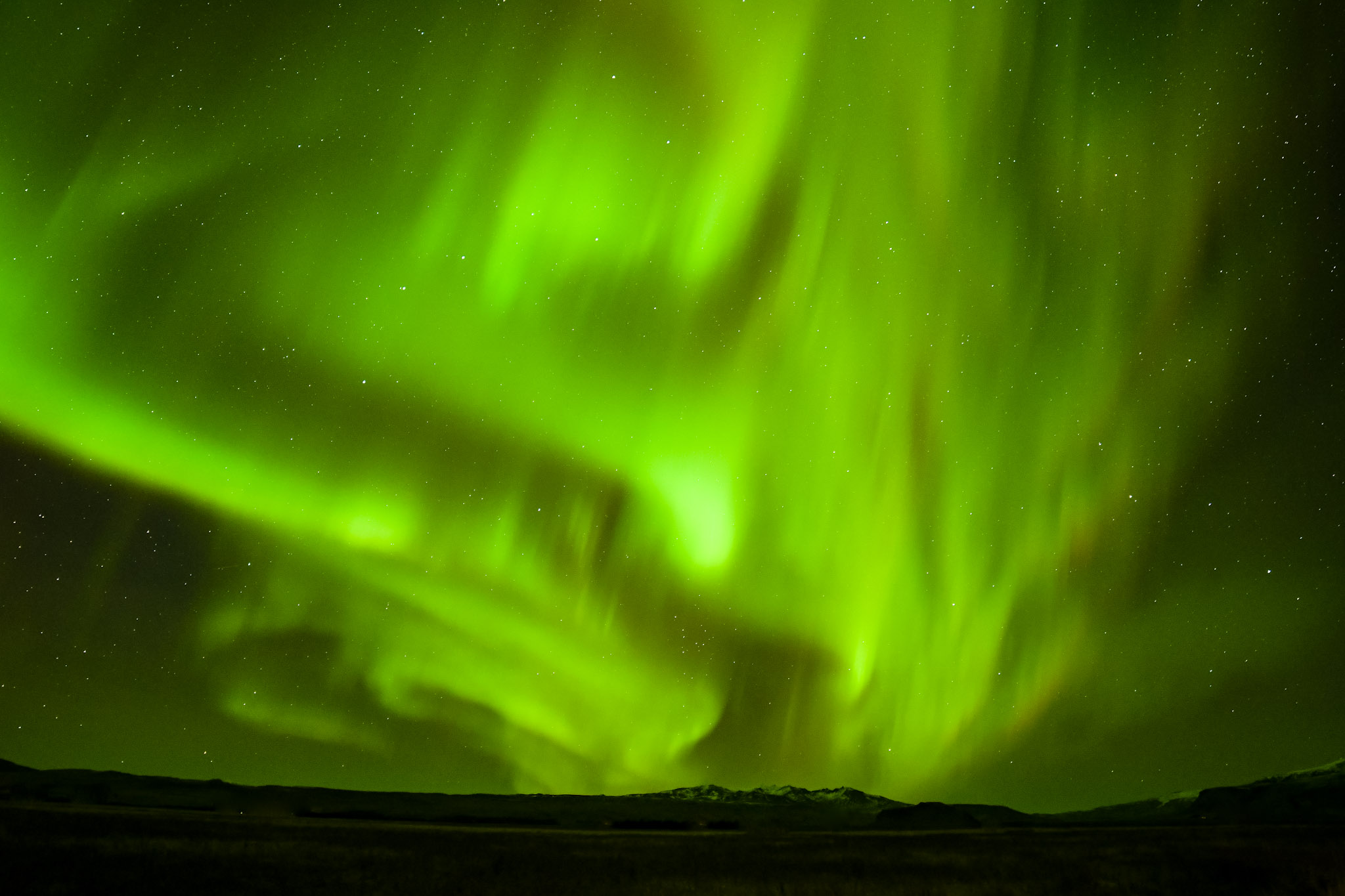
Although not the most photogenic, these ‘leftovers’ from other more intense formations can be dynamic in movement and quite random in appearance. Many times these can evolve into a diffuse aurora (or aurora mist) and may persist alongside more active aurora elsewhere in the sky. During intense shows, this type of aurora can be seen in one section of the sky (usually southern) while other active formations begin to fire again, and the pattern can repeat several times throughout the night.
Corona
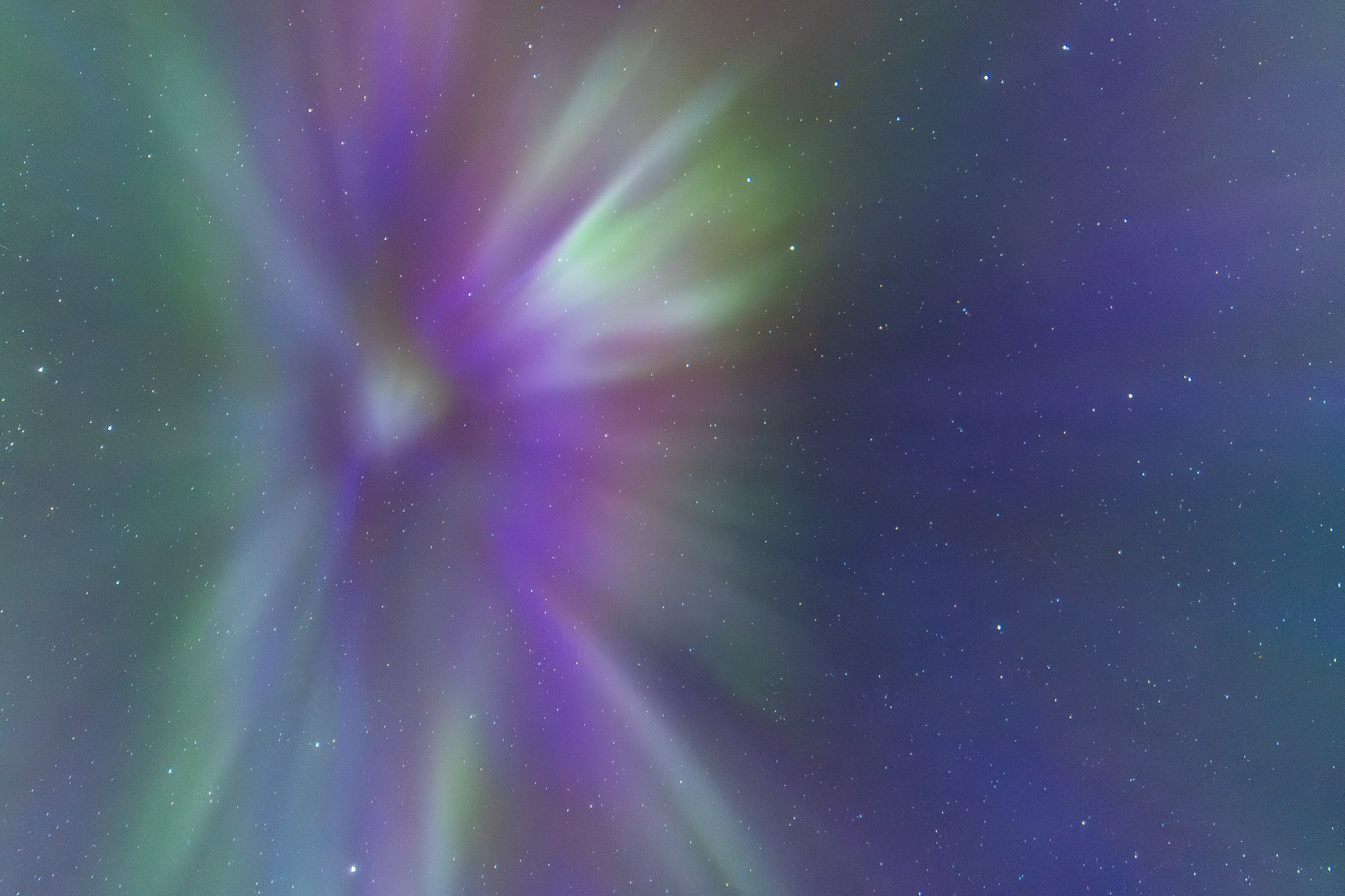
Coronas are impressive and intense formations/displays seen directly above you (looking straight up) and combine multiple colors, dynamic movement, and abstract formations that may resemble a bird, ‘starburst’, butterfly, or an angel. These are excellent to photograph, but sometimes a challenge as many tripods do not allow for a 90 degree tilt up. These move quick so be ready to lay the camera on it’s back pointing straight up on a solid surface and hope for the best. Kp levels of 4/5 or higher are usually needed to produce reliable corona formations.
Swirls / Curls
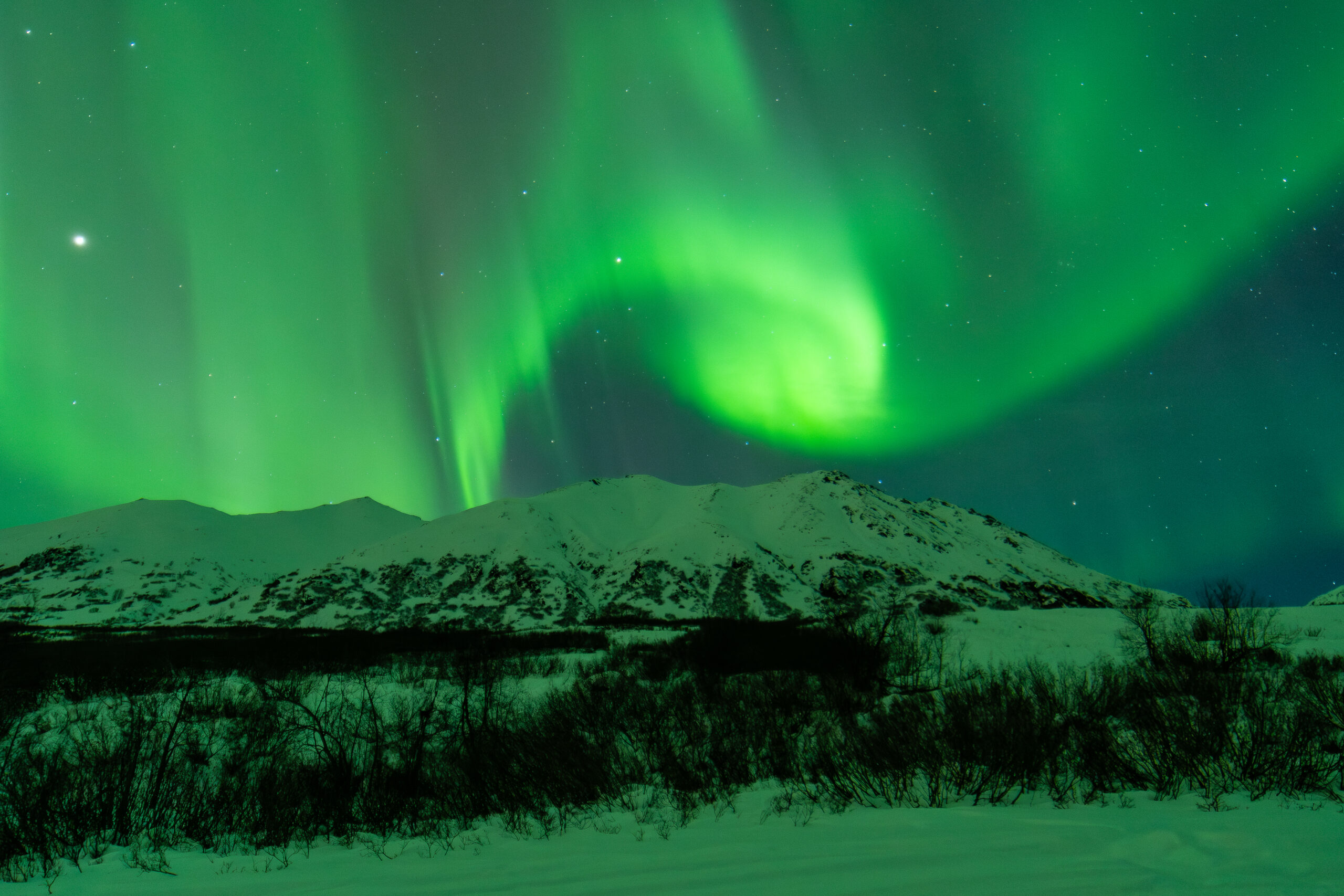
Although not the most rare, these are among the most spectacular formations you can witness. These are almost perfect curls/swirls that strongly resemble a hurricane/galaxy with a center swirl core and often long ‘arms’ or bands extending out from the center. These are usually green, but occasionally have spots of other colors. Kp levels of 4 or higher usually produces these formations.
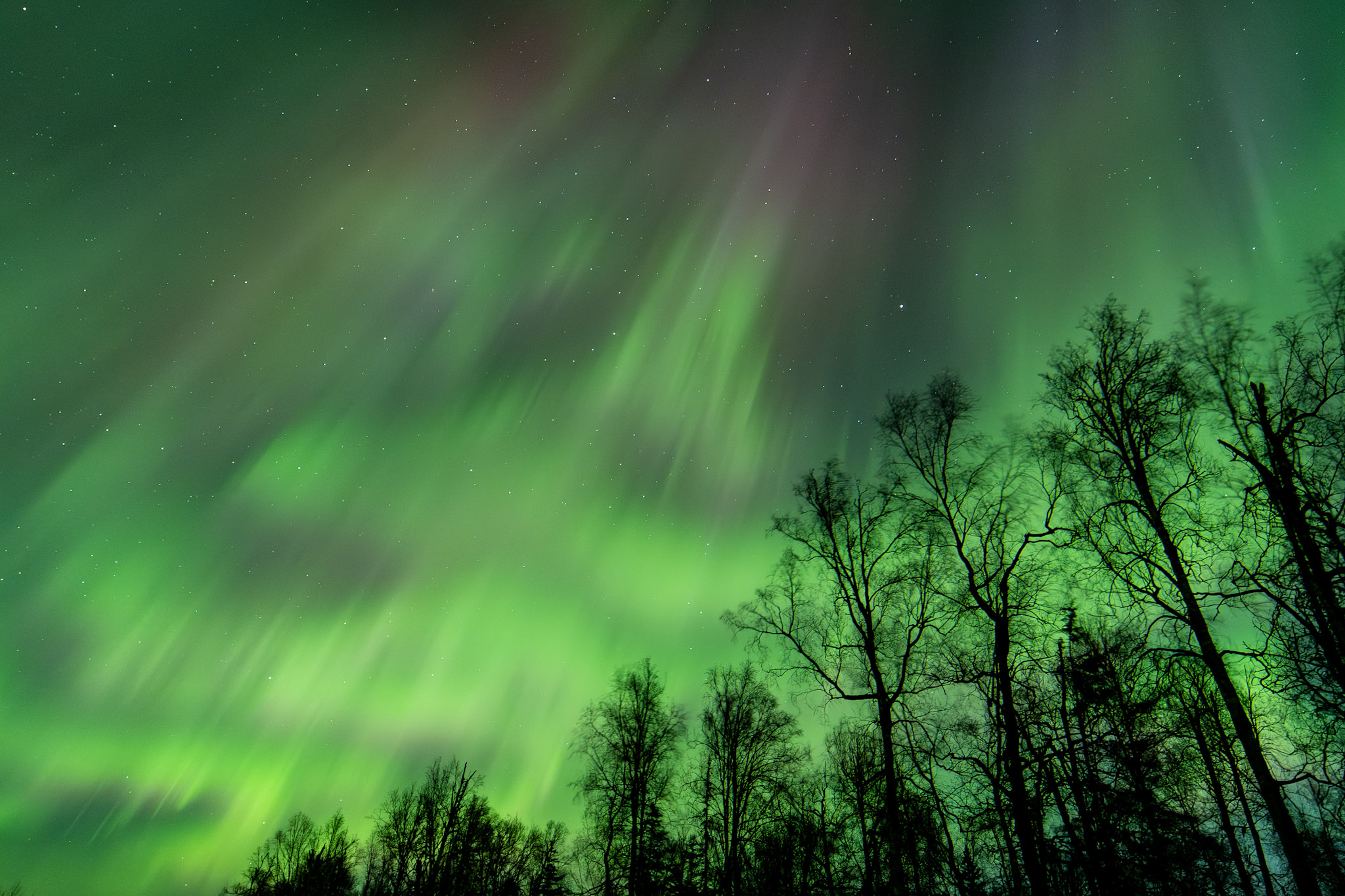
Pulsating Patches
Again, not as photogenic as other formations, mostly because of the rapid and erratic speed of movement. That said, this is often one of the more intense/unreal feeling aurora formations to view in person. Most of the sky is taken up with ‘patches’ (mostly green and some red) with intense pulsating activity. It is almost like the entire sky is trying to mesmerize viewers with the light intensity and rapid blinking. Almost exclusively caused by high solar winds from a coronal hole (Kp 4/5 or higher along with high solar winds)
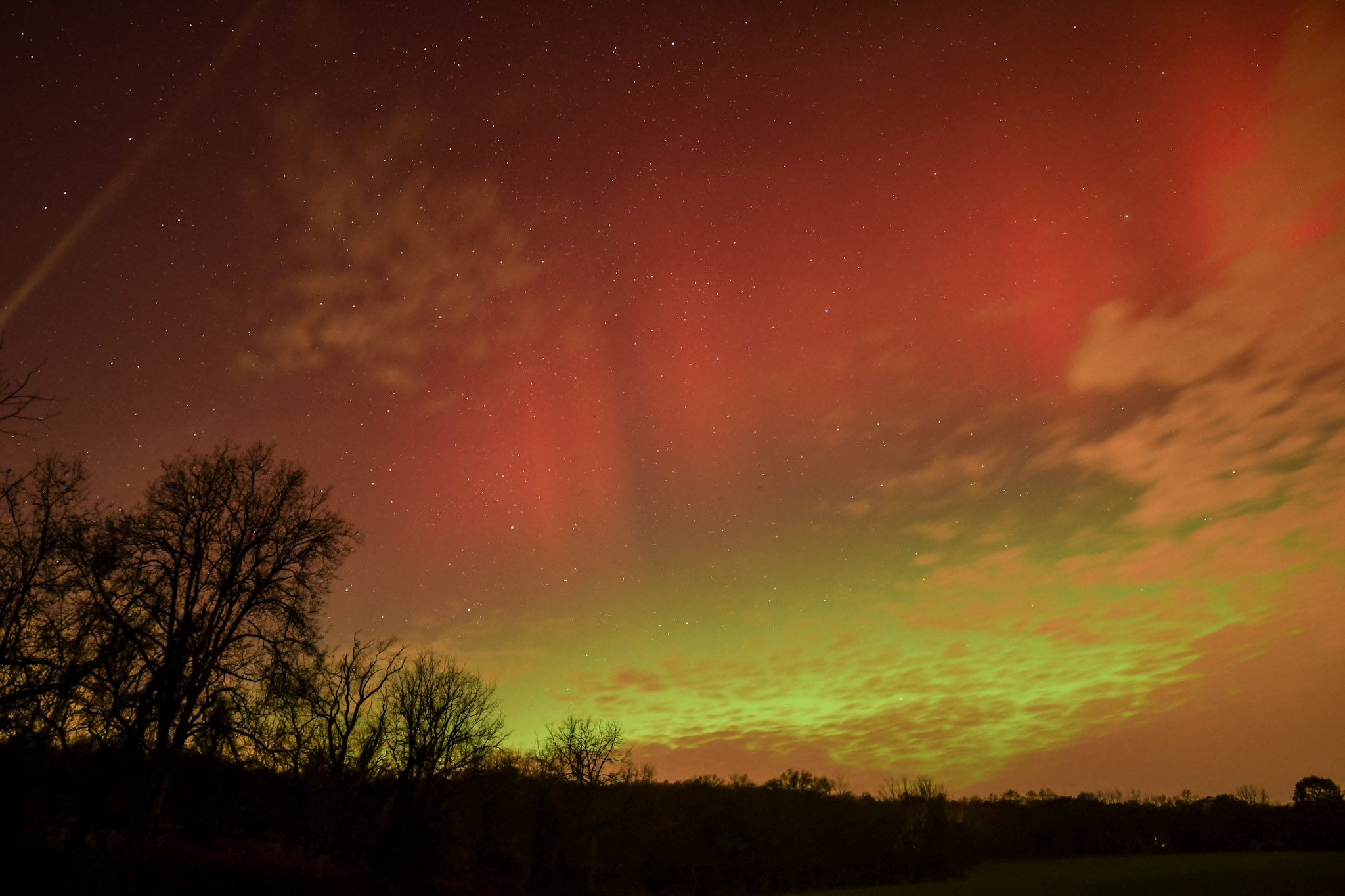
STEVE
Last but not least, we have STEVE. Nah, not your buddy from work, but a rare perfectly straight thin line formation that is often white/gray in color and associated with the most intense solar storms. Since it appears only with high activity levels (Kp 7 or higher) it is rare and often seen in the sky alongside more photogenic formations. Consider yourself lucky if you see one…not many ever do!
Aurora Colors — What Produces Each
Green
Oxygen at 60–150 km altitude. The most common aurora color — the signature of most displays.
Pink / Red
Oxygen at higher altitudes (200 km+) or nitrogen at lower altitudes. Seen during strong storms.
Purple / Violet
Nitrogen molecules at the lower edge of the aurora, below 100 km. Often forms the lower border.
Blue
Nitrogen molecules. Less common, typically seen at the lower edges of active curtains and rays.
White / Yellow
A mix of green and red/pink light blending together. Common in photos during strong multi-color displays.
