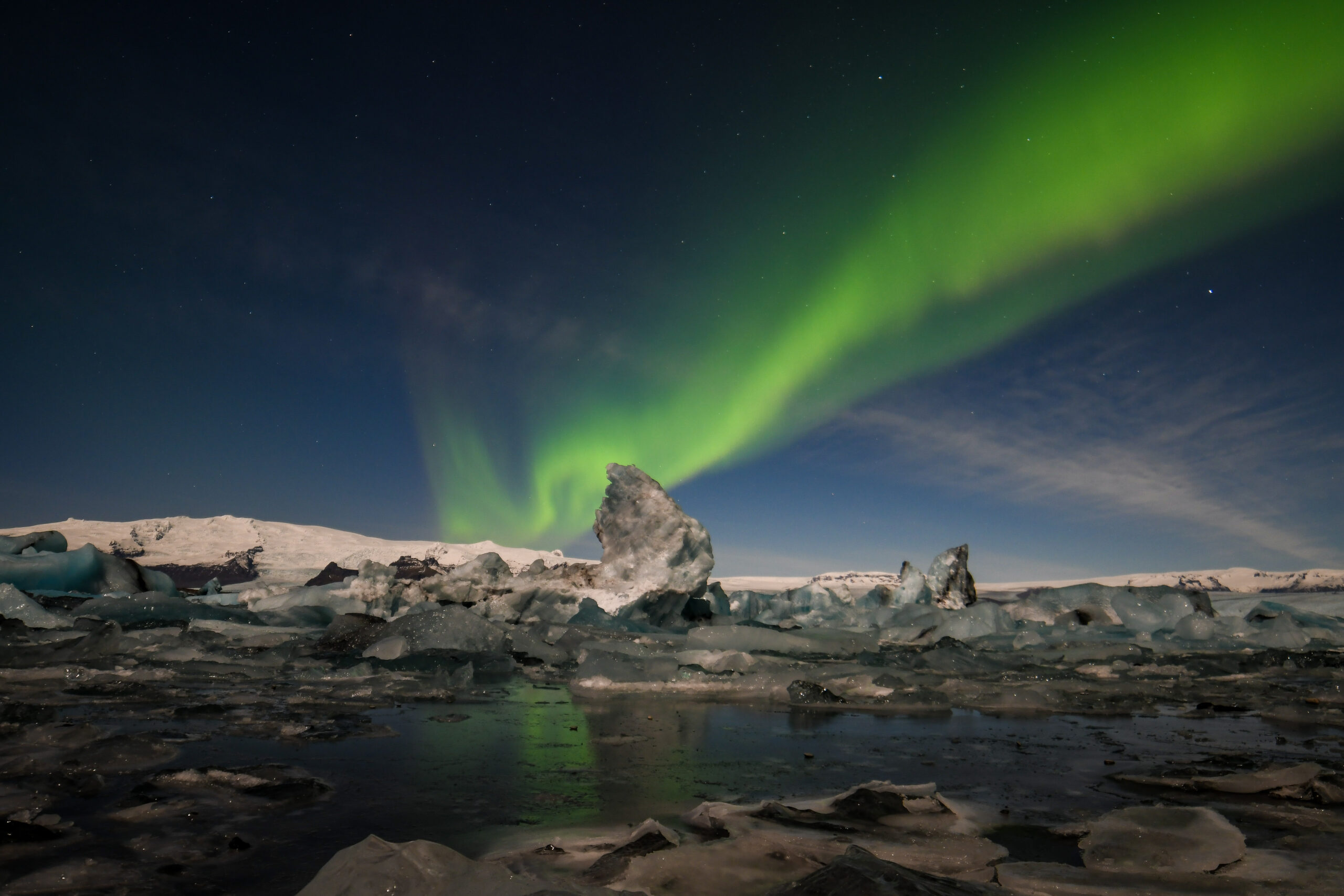
How to Photograph the Northern Lights
Capturing the aurora on camera is one of the most rewarding challenges in photography. This guide walks you through everything — from what to pack before you leave, to the exact camera settings you need in the field — so you can come home with images that do justice to what you witnessed.
What to Bring
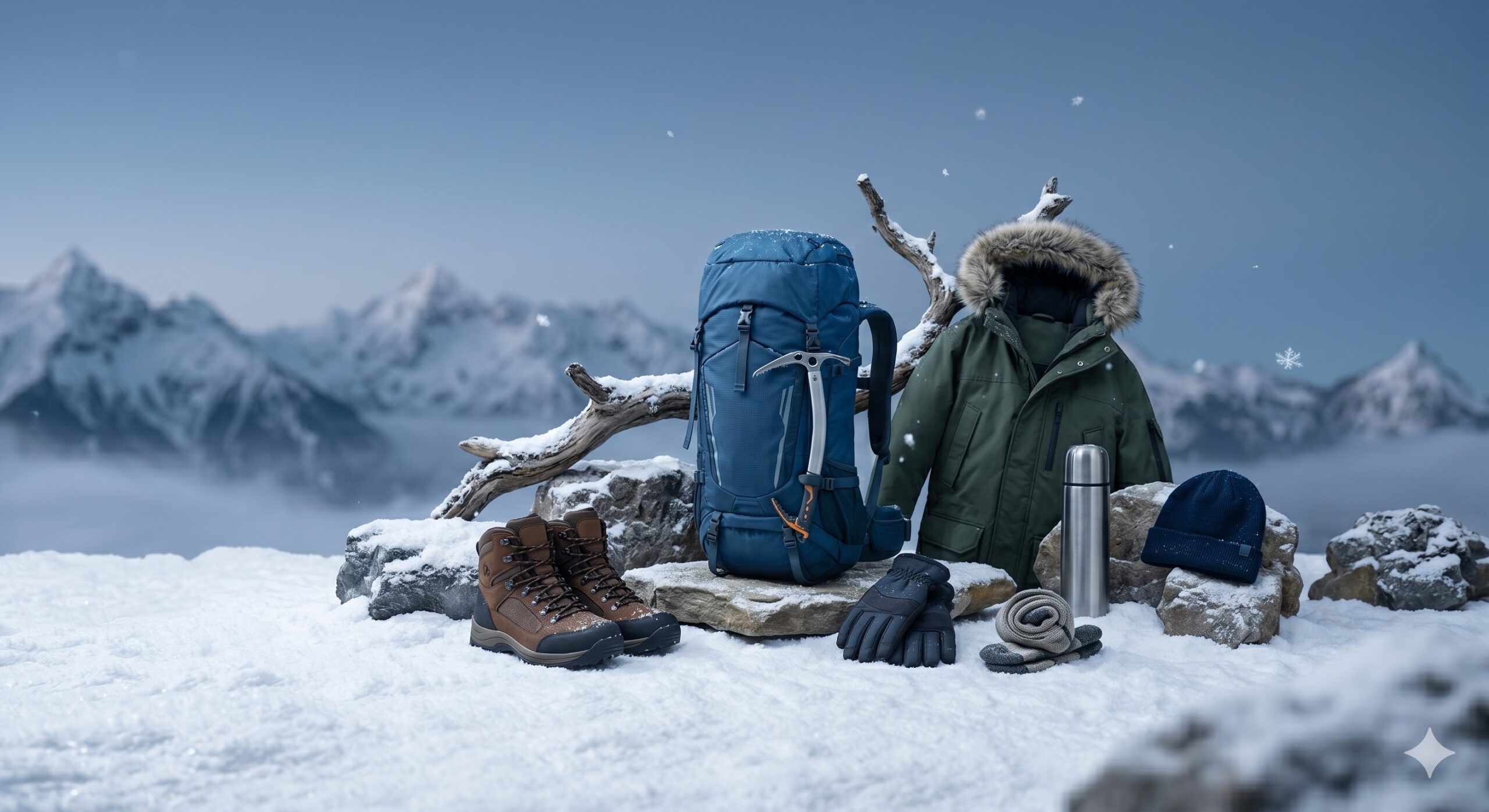
Non-Photography Essentials
Before the camera, take care of yourself
- Cold weather layers/clothingMany thin/medium layers trap heat far better than one thick one; don’t underestimate the cold. I usually do 3-5 thinner layers + heavy coat on top once below 30F.
- Snow pantsLayers are important for your legs as well. I usually do thermals, jeans/other moderate layer, and thick snow/ski pants.
- Hat & glovesA warm hat and insulated gloves are non-negotiable once below 30F or so. Once below 15-20F, I usually where a full facemask/ear band as well.
- Hand & foot warmersSingle-use warmers in your gloves and boots/shoes are an absolute game changer once below 30F, and needed once below 15F – 20F.
- Hiking boots or shoesDepending on conditions and terrain, snow boots or sturdy hiking shoes are important. I also usually wear 2 layers of socks.
- Water & snacksIt is likely you may be out for hours late at night (when virtually nothing is open); stay hydrated and bring something for energy
- Charged phone/chargerFor navigation back to the car (if hiking), aurora alerts, navigation, weather, and safety
- Headlamp or flashlightIt will be dark! Lighting for gear changes, hiking, and basically anything else requires a headlamp and/or flashlight (and bring a backup!)
- BackpackTo carry everything comfortably and keep your hands free
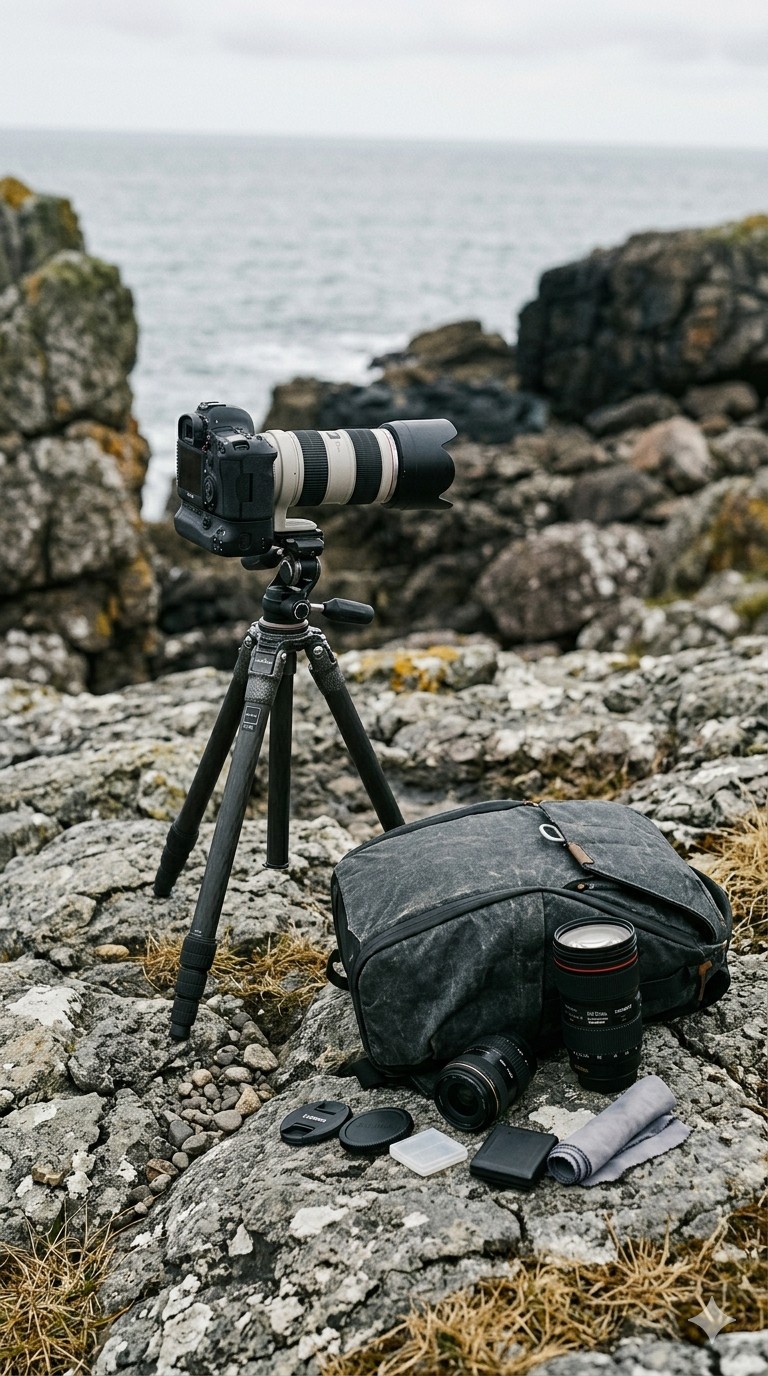
Camera Gear
The kit that makes the shot possible
- The CameraA good DSLR or mirrorless camera capable of full manual mode; the ability to control ISO, aperture, and shutter speed independently is essential
- The LensA wide-angle, “fast” lens (ideally f/2.8 or wider) to capture as much sky as possible and pull in maximum light; the wider the aperture, the shorter your exposures can be
- The TripodA sturdy tripod is completely non-negotiable for aurora photography; even the slightest movement during a 2+ second exposure will ruin the shot
- Extra batteriesCold temperatures drain batteries at a shocking rate; bring at least two fully charged spares and keep them warm in an inner pocket
- Remote shutter release
Eliminates camera shake the moment you press the button; alternatively, you can use your camera’s shutter release delay mode
The Camera Settings Cheat Sheet
📋 Aurora Settings — Screenshot This
Keep this on your phone for the field
Manual → Infinity
Switch your lens to manual focus (MF) and rotate to the ∞ mark. For true infinity, point at a bright star and adjust until it is a sharp pinpoint — lenses don’t always focus precisely at the mechanical ∞ stop.
f/1.8 – f/2.8
Open your aperture as wide as it will go. This is the single biggest factor in letting in light. f/2.8 is the practical minimum; f/1.8 or faster is ideal.
600 – 2400+
This is one of trickiest setting to get right and will vary each night (there is no one right ISO). With a full moon and fast/active aurora an ISO of 600 (or even a little less) might be ideal. With no moon and faint/slow moving aurora you might need to be at 2400 or more. All else equal, the lower the ISO the better the quality of the end photo (less grain), but you want to balance that against exposure.
2–5s or 10–20s
Also highly variable depending on conditions. With a full moon and fast/active aurora a 2s – 4s exposure will probably let enough light in while preserving aurora details. When you have faint/slow moving aurora exposures as long as 20s can be optimal. Once more than 20s, ‘star blur’ begins to be an issue.
📱 Screenshot this box to have your settings ready in the field
❗ Post-Processing of RAW photographs (across various software platforms) is an essential skill and critical to get a professional looking aurora photograph. This is covered in great detail within my PDF field guide and pictorial guide paperback
Section 4
Composition Pro-Tips
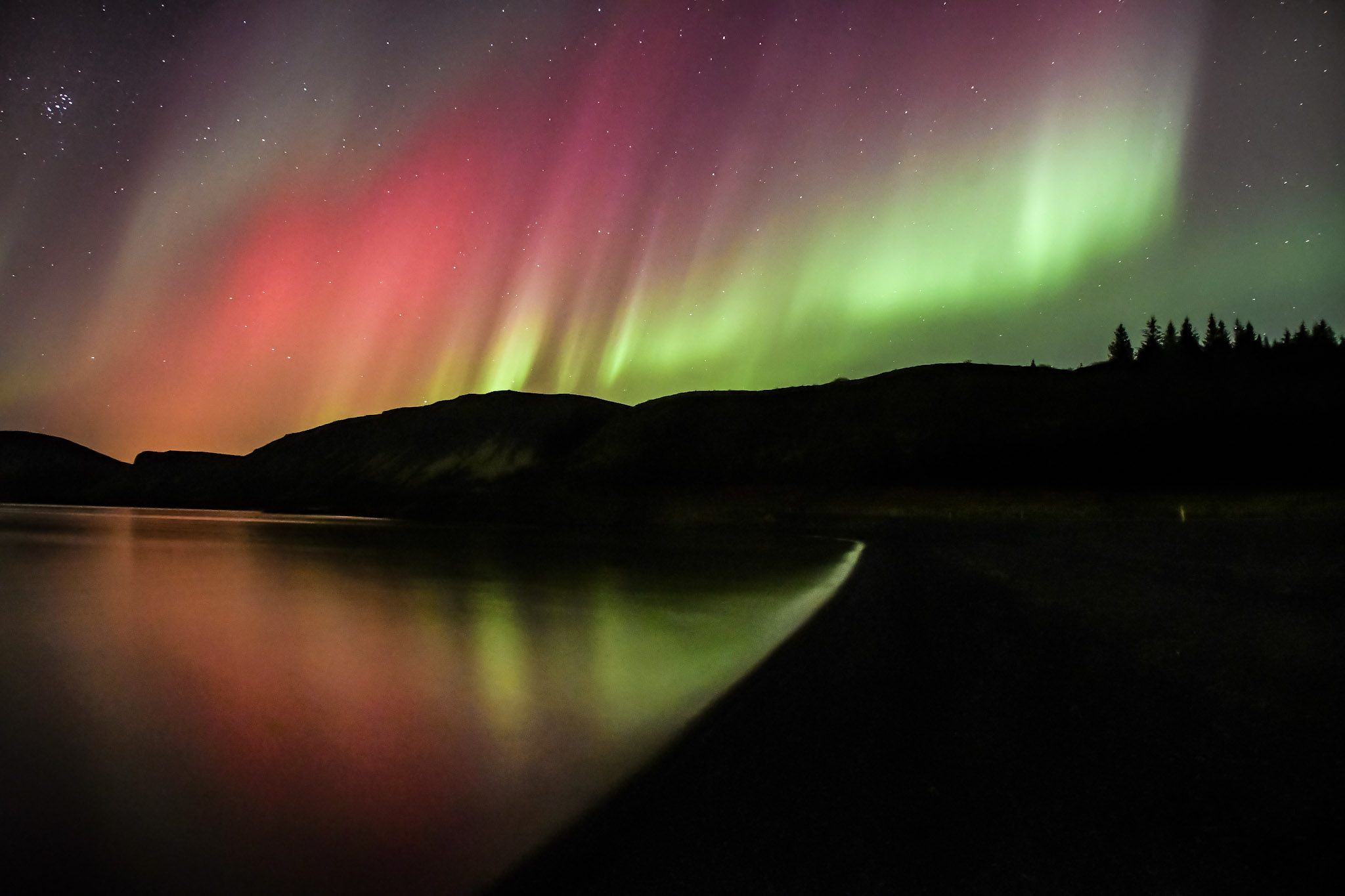
🏔 Foreground is King
A lone green sky is beautiful but flat. Adding a compelling foreground — mountains, a cabin, a road, a lake reflection — gives the aurora scale, context, and emotional weight. Before you set up your tripod, look behind you, beside you, below you. The best aurora shots are landscapes first, light shows second.
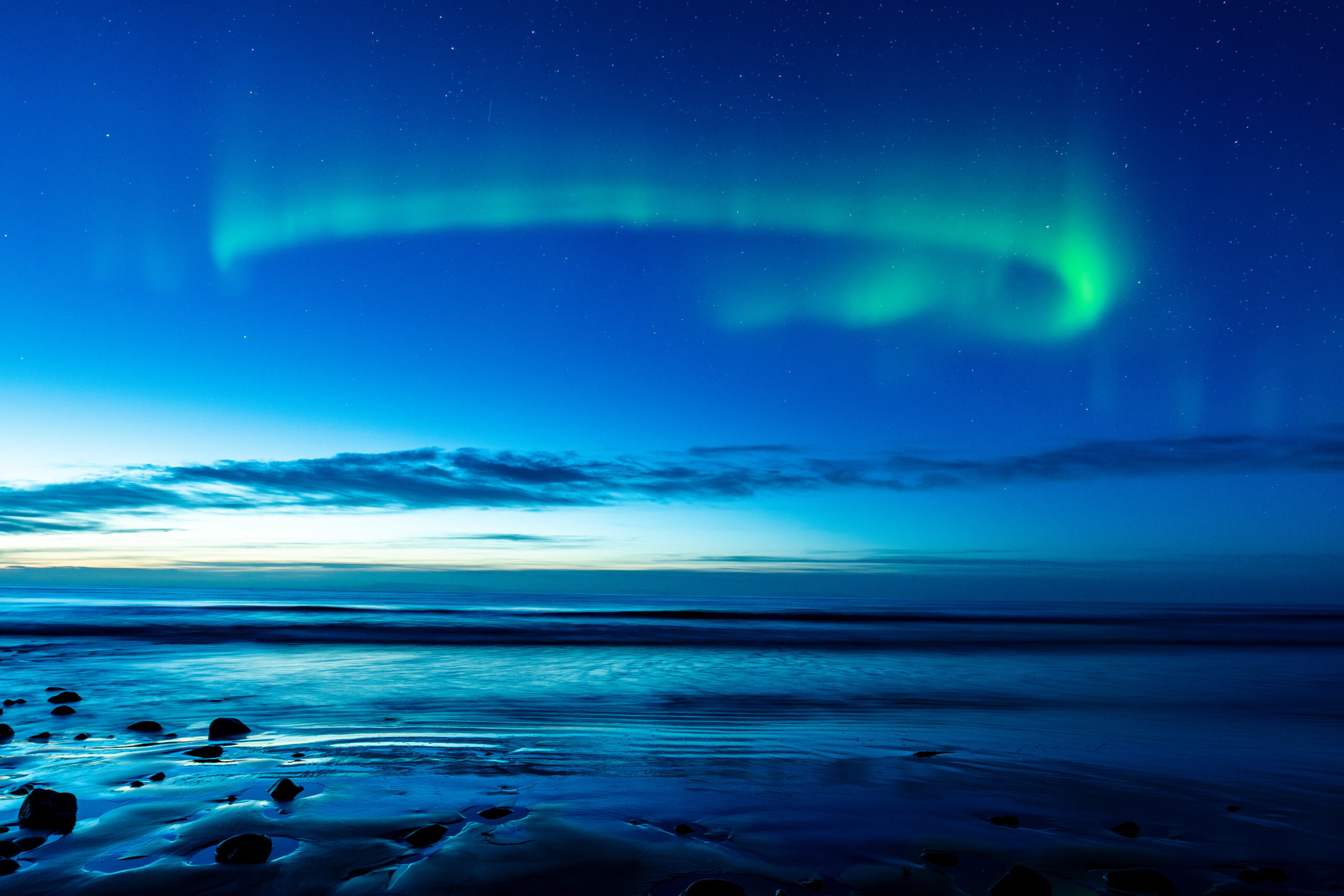
⊞ Rule of Thirds
Place your horizon on the lower third of the frame to let the sky fill roughly two-thirds of the image. This is the classic aurora composition — it gives the lights room to breathe and naturally draws the viewer’s eye upward into the scene. Most cameras have a grid overlay in live view to help you nail this.
Want a personal walkthrough of gear, settings, and composition tailored to your specific trip? The 1-hour Personal Aurora Concierge session covers all of this and more — live, with you.
